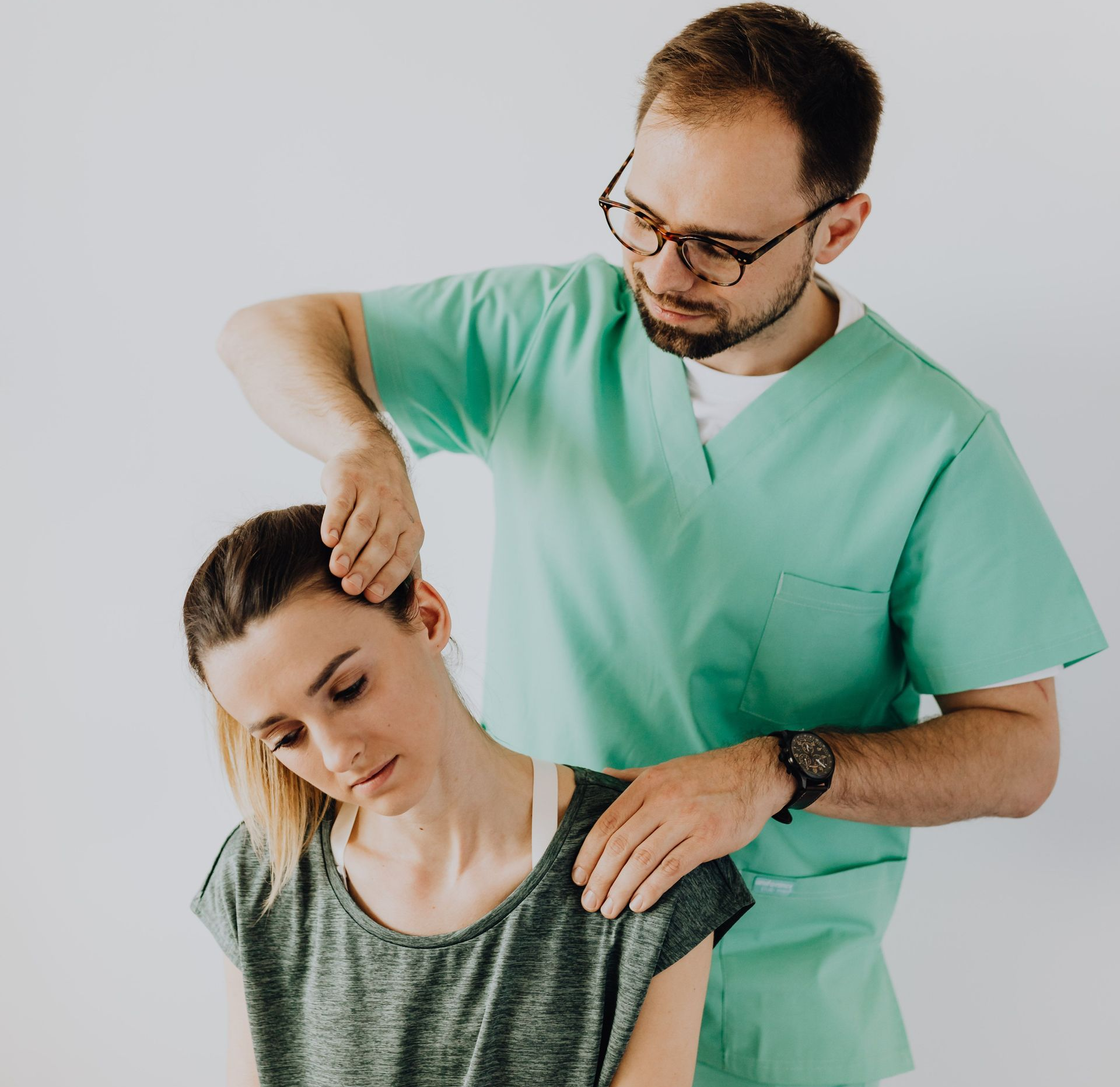

Chiropractic for TMJ Pain: Can Neck Alignment Reduce Symptoms?
Temporomandibular joint (TMJ) dysfunction can turn simple daily moments into constant frustration. Chewing, speaking, yawning, and even smiling may trigger jaw pain, tightness, popping, or a sense that your bite feels “off.” Many adults also notice symptoms that seem unrelated at first, like
frequent headaches, facial pressure, ear fullness, or neck stiffness that disrupts sleep quality and daytime focus. If you are searching for non surgical relief, it helps to understand that the jaw does not work in isolation. The muscles and nerves that influence jaw movement interact closely with posture and the cervical spine, including the upper neck. When neck alignment and spinal health are compromised, it can increase strain through the jaw and surrounding tissues. Many patients in Naples, FL do not realize how strongly cervical alignment can affect jaw function and comfort. In this guide, we explain the connection and how
chiropractic care may support TMJ symptom reduction with safe, non invasive strategies.

Table of Contents
- 1. What TMJ disorder is and common symptoms
- 2. How the cervical spine and jaw connect
- 3. How neck misalignment drives jaw tension and headaches
- 4. Chiropractic techniques for TMJ related dysfunction
- 5. Complementary therapies and home support
- 6. What to expect: evaluation and treatment
- 7. When to seek professional care for TMJ pain
- FAQ: 10 common TMJ and chiropractic questions
- Conclusion and next steps in Naples, FL
1. What TMJ disorder is and common symptoms
The temporomandibular joints are the small joints directly in front of each ear that allow your lower jaw (mandible) to move. They work with muscles, ligaments, and a small cartilage disc inside the joint. Because the TMJ is used so often, even minor irritation can feel major. TMJ disorder (often shortened to TMD) is a broad term that can include joint irritation, disc dysfunction, muscle overuse, and movement pattern problems.
Many adults begin looking for TMJ treatment in Naples when jaw symptoms start affecting meals, work calls, or sleep. It is common for TMJ problems to fluctuate, which can make the condition confusing. One week may feel manageable, then a stressful period, an uncomfortable pillow, or a long day at the computer can trigger a flare.
Common TMJ symptoms include:
- Jaw pain or jaw tenderness, especially near the joint
- Jaw tightness or fatigue with chewing
- Clicking, popping, or grinding sounds with jaw movement
- Limited mouth opening or the jaw “catching”
- Headaches, especially around temples or behind the eyes
- Neck stiffness, upper back tension, or shoulder tightness
- Facial pain, tooth sensitivity sensations, or pressure in the cheeks
- Ear related sensations such as fullness, ringing, or discomfort
- Symptoms that feel worse with stress, clenching, or poor posture
Symptom patterns (quick reference):
- Jaw tension plus headaches: Often involves overworked jaw and neck muscles, and may be related to clenching or forward head posture.
- Clicking without pain: Can occur with disc movement changes, but still deserves evaluation if it is worsening or accompanied by locking.
- Morning soreness: Frequently associated with nighttime clenching or grinding, and sometimes with sleep posture that loads the neck.
- Ear fullness plus jaw pain: May reflect shared anatomy and muscle referral patterns near the jaw and upper neck.
If you are searching online for a jaw pain
chiropractor in Naples, it is important to choose a provider who evaluates both jaw mechanics and related contributors such as neck alignment, posture, and muscle tone. That whole system approach matters because symptoms can be driven by more than one factor at the same time.
2. How the cervical spine and jaw connect
People often think of the TMJ as a “jaw only” issue, but it functions as part of a larger chain. Your jaw movement depends on coordinated muscle activity in the face, jaw, throat, and neck. The cervical spine provides structural support for head position, and head position influences where the jaw sits at rest and how it moves during chewing and speaking.
In simple terms, your jaw closes, opens, and slides in small, controlled ways. Your neck and upper back help position the skull, and the skull is the foundation the jaw moves against. If that foundation is not stable, the jaw may compensate. Over time, compensation can increase muscle tension and joint stress.
Key connections that help explain neck alignment TMJ relief:
- Posture and jaw resting position: Forward head posture can change how the jaw rests, and it may encourage clenching or muscle guarding.
- Muscle chains: Muscles that influence jaw position interact with muscles in the neck and shoulders. If the neck is tight or overworked, the jaw can become a “secondary victim.”
- Nerve signaling: Sensory input from the jaw and the upper neck converges in the nervous system. This can contribute to pain referral patterns that feel like headaches or facial pain.
- Breathing and stress response: Mouth breathing, shallow breathing, and stress can increase neck and jaw muscle activity, reinforcing tension cycles.
Conceptual diagram (how alignment influences symptoms):
- Head shifts forward → neck extensor muscles overwork to hold the head up
- Neck tension increases → jaw muscles compensate to stabilize jaw position
- Jaw rests under strain → clenching and bracing become more likely
- Joint and muscle irritation → headaches, jaw pain, and sleep disruption can worsen
This is why many adults looking for chiropractic for TMJ pain in Naples, FL benefit from an approach that includes cervical alignment and posture assessment, not only local jaw treatment.
3. How neck misalignment can contribute to jaw tension and headaches
“Misalignment” is often used as a broad term. Clinically, the focus is typically on joint motion, position, and how the body is adapting. When certain cervical joints move poorly or when the neck is habitually held in a stressed posture, muscles may tighten to protect the area. This can change how the jaw muscles coordinate, especially during high use tasks like chewing tougher foods, prolonged speaking, or stress related clenching.
Jaw tension and headaches often overlap because the jaw muscles and temple region can be strongly linked. For example, the temporalis muscle sits on the sides of the head and contributes to closing the jaw. When it becomes overactive, it can produce a headache-like sensation. Similarly, the upper neck can refer discomfort into the head, contributing to cervicogenic headaches that feel like pressure at the base of the skull or behind one eye.
Common contributors that connect the neck, jaw, and head:
- Forward head posture: Often seen in desk workers and frequent phone users. It can overload the upper neck and alter jaw resting mechanics.
- Clenching and grinding: Stress, sleep disruption, and bite changes can increase jaw load and create a cycle of tension.
- Shoulder and upper back tightness: If the shoulder girdle is elevated or rounded, neck muscles can remain “on” all day, feeding jaw tension.
- Previous injuries: Past whiplash,
sports injuries, or falls can affect cervical motion and muscle tone long after the original event.
Where pain can show up (referral pattern guide):
- Jaw joint area (in front of ear): Local joint irritation or muscle tightness near the TMJ.
- Temples: Overactivity of jaw closing muscles, especially with clenching.
- Behind the eyes or forehead: Can be associated with tension headaches influenced by jaw and neck muscle tone.
- Base of skull: Often related to upper cervical tension and joint irritation.
A key strategic point for both SEO and patient clarity is this: TMJ symptoms are not always a purely dental problem and not always a purely joint problem. In many cases, addressing mechanical stress in the cervical spine can reduce “background strain” that keeps the jaw muscles irritated. This is why a neck alignment TMJ relief plan can be meaningful when it is tailored to the individual.
4. Chiropractic techniques used to address TMJ related dysfunction
Chiropractic care for TMJ related discomfort typically aims to improve joint motion, reduce muscular tension, and support healthier mechanics through the neck, upper back, and in some cases the jaw itself. The best approach depends on the person’s findings, symptom severity, medical history, and tolerance for specific therapies.
At Fisher Chiropractic, a patient focused plan for TMJ treatment in Naples commonly emphasizes safe, non invasive options. The goal is not a one size fits all “quick fix.” It is to identify the drivers of your symptoms and build a plan that supports healing while reducing flare triggers.
Chiropractic approaches that may be considered:
- Cervical spine adjustments: When appropriate, gentle adjustments may help improve neck joint mechanics, reduce protective muscle guarding, and support better head posture.
- Upper back (thoracic) care: Improved upper back mobility can help posture and reduce neck strain, which can indirectly ease jaw tension.
- Soft tissue techniques: Targeted work for the jaw muscles, upper neck, and shoulder region may help reduce trigger points and improve comfort.
- Jaw mechanics coaching: Guidance on resting tongue posture, relaxed jaw position, and habits that reduce clenching can be an important part of care.
- Home exercise prescription: A plan may include mobility drills, controlled strengthening, and breathing strategies that reduce tension.
Important note on safety: Chiropractic techniques should be selected based on your individual presentation. A medically responsible plan includes screening for red flags, reviewing health history, and modifying care for conditions such as osteoporosis, vascular risk factors, or acute injury. If you are searching for chiropractic for TMJ pain Naples FL, look for a provider who prioritizes assessment and clear communication about what is appropriate for you.
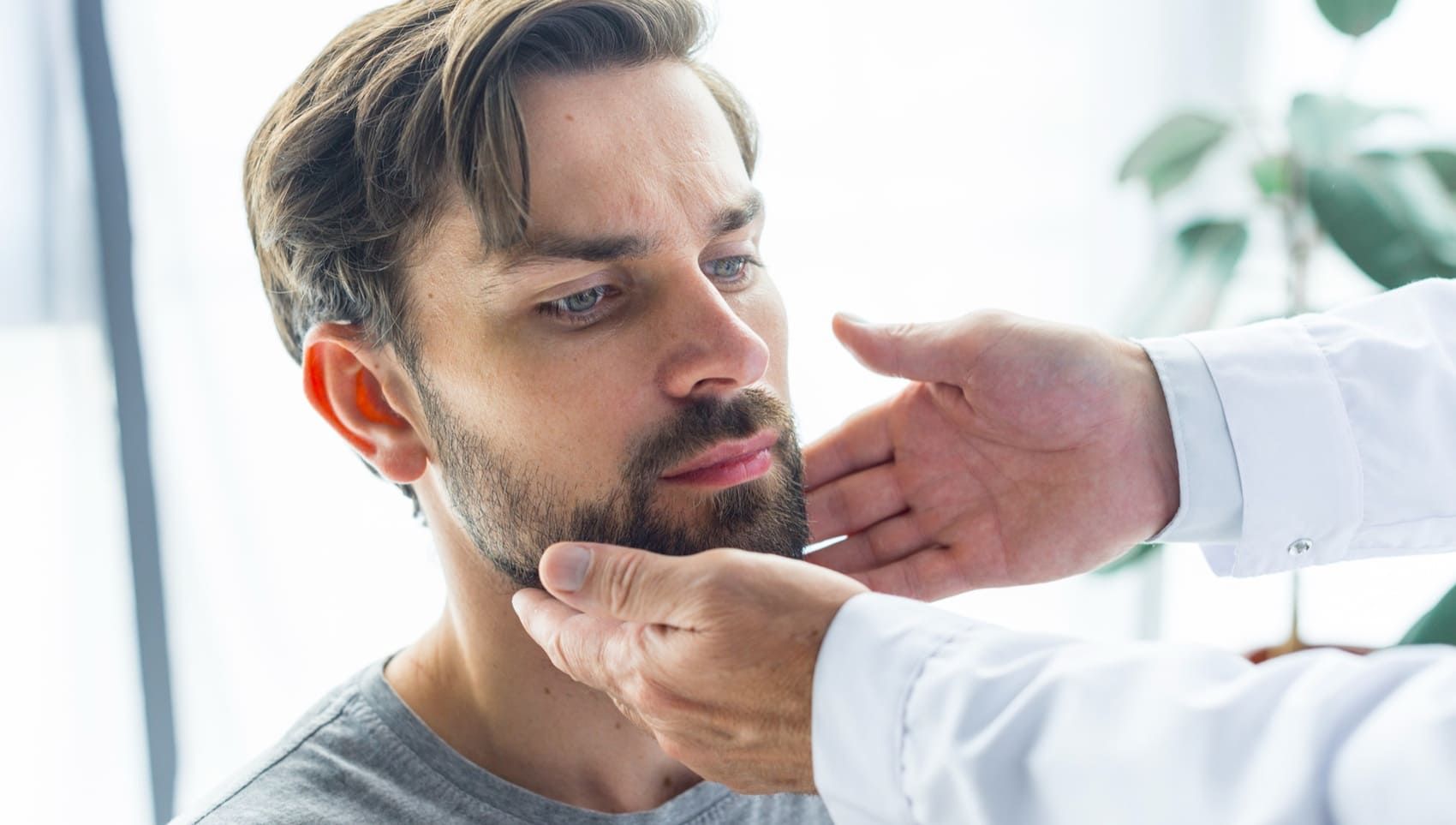
5. Complementary therapies such as posture correction and soft tissue work
Many TMJ cases improve fastest when treatment combines joint care with daily habit changes. This is especially true for adults who work at a desk, drive often, or spend hours looking down at a phone. Complementary therapies do not replace evaluation, but they can reduce the repetitive stress that keeps symptoms active.
Complementary strategies that often support jaw comfort:
- Posture correction: Reducing forward head posture can decrease constant load on the upper neck and jaw muscles. Even small changes, practiced consistently, can be meaningful.
- Soft tissue work: Trigger points in the jaw muscles, temples, and upper neck can refer pain. Addressing soft tissue tone can reduce the “tight band” feeling many people associate with TMJ.
- Ergonomic adjustments: Monitor height, chair support, and frequent breaks help reduce neck strain that can feed jaw tension.
- Breathing and stress downshifting: Stress is not “all in your head.” It affects muscle tone and clenching patterns. A calmer nervous system often equals a calmer jaw.
- Sleep position coaching: Side sleeping with poor pillow support can place the neck in sustained rotation. Optimizing sleep posture can reduce morning jaw tightness and headaches.
Common causes and perpetuating factors (organized list):
- Mechanical factors: neck stiffness, limited upper back mobility, jaw movement imbalance
- Behavioral factors: clenching, gum chewing, nail biting, leaning on the jaw
- Workload factors: long calls, long commutes, stress peaks, poor recovery sleep
For adults seeking a jaw pain chiropractor Naples residents trust, these complementary strategies matter because they reduce recurrence. Treatment helps, but sustainable results also come from reducing the forces that created the irritation in the first place.
6. What patients can expect during evaluation and treatment
If you are considering TMJ treatment Naples patients often ask what an evaluation includes. A thorough assessment should connect your symptoms to objective findings so your plan is specific, not generic.
Step 1: History and symptom mapping
Your provider will discuss when symptoms started, what makes them better or worse, and how they affect chewing, speaking, and sleep. You may be asked about clenching, grinding, stress, prior injuries, dental work, and typical work posture. This is also the time to discuss goals, such as reducing headaches, improving jaw opening, or sleeping through the night.
Step 2: Posture and movement assessment
Neck alignment, upper back mobility, and head position can be evaluated. Your jaw opening pattern may be observed to see whether it shifts to one side, catches, or creates pain. The provider may check how your neck motion relates to your symptoms.
Step 3: Palpation and muscle tone assessment
Muscles around the jaw, temples, upper neck, and shoulders may be assessed for trigger points, tenderness, and tightness. These findings can help explain why you feel headaches, pressure, or jaw fatigue.
Step 4: Clinical decision making and referrals
A medically responsible plan includes knowing when to coordinate care. If signs suggest a dental bite issue, significant disc dysfunction, severe locking, infection, or another condition outside a chiropractor’s scope, referral may be appropriate. In many cases, collaborative care with dental providers or other specialists can improve outcomes.
What treatment may look like
- A short series of visits focused on calming flare symptoms and restoring motion
- Follow up care focused on stability, posture retraining, and preventing relapse
- Home guidance that fits your schedule, often in short daily sessions
If you are searching for “chiropractic for TMJ pain Naples FL” you are likely looking for a plan that is both careful and proactive. Fisher Chiropractic emphasizes thorough assessments, individualized care plans, and safe, non invasive options to help you move toward steady improvement.
7. When to seek professional care for persistent TMJ pain
Occasional jaw tightness after a stressful day can happen to anyone. However, persistent symptoms deserve professional evaluation, especially if they are affecting nutrition, sleep, or
quality of life.
Consider seeking care if you notice:
- Jaw pain or headaches that recur weekly or more often
- Jaw locking, catching, or limited mouth opening
- Worsening clicking or popping combined with pain
- Morning jaw soreness that suggests nighttime clenching
- Neck stiffness that seems tied to jaw symptoms
- Facial pain or pressure that is not resolving
Seek urgent medical or dental evaluation if you have:
- Sudden jaw swelling, fever, or signs of infection
- New numbness, weakness, or severe neurological symptoms
- Severe jaw locking that prevents eating or speaking normally
- Significant trauma to the face or jaw
For many adults, the most effective approach is early, conservative care. Addressing neck stiffness, posture overload, and jaw muscle tension before they become chronic can shorten the recovery timeline and reduce flare frequency.
FAQ: Chiropractic and TMJ pain
Are chiropractic adjustments safe for TMJ problems?
For many adults, chiropractic care can be safe when it is customized to the individual and preceded by appropriate screening. Techniques can be modified based on health history, comfort level, and clinical findings.
Can neck alignment really affect jaw pain?
Yes, neck alignment and mechanics can influence jaw function by changing head posture, muscle workload, and nerve and muscle coordination. This is a common reason people look for neck alignment TMJ relief strategies.
How long does it take to see results?
Timelines vary. Some people notice early improvement in tension and headaches, while others need a longer plan to address posture habits, chronic muscle guarding, and contributing factors like clenching.
Do chiropractors adjust the jaw directly?
Some cases may include gentle TMJ focused techniques, but many plans emphasize the cervical spine, upper back, and soft tissue contributors. The exact approach depends on your evaluation.
What if I grind my teeth at night?
Nighttime grinding is common and can maintain jaw irritation. Your care plan may include jaw relaxation strategies, sleep posture guidance, and coordination with a dental provider if a night guard is indicated.
Can chiropractic help TMJ headaches?
Many TMJ related headaches involve both jaw muscle tension and upper neck contributors. Addressing cervical mechanics, muscle tone, and posture can be an effective non surgical strategy for some patients.
Will insurance cover TMJ related chiropractic care?
Coverage varies by plan. Many patients ask about insurance when searching for TMJ treatment Naples options. Fisher Chiropractic can help verify benefits and explain what documentation may be needed.
What lifestyle changes support recovery?
Helpful changes often include reducing gum chewing, limiting wide jaw opening during flares, improving workstation ergonomics, practicing posture breaks, and using stress reduction strategies that lower clenching.
Should I see a dentist first or a chiropractor first?
It depends on your symptoms. If you have significant bite changes, dental pain, or suspected tooth issues, start with a dentist. If your symptoms strongly include neck stiffness, headaches, and posture related flare ups, a chiropractor can be a good starting point. In many cases, collaborative care is ideal.
When is imaging needed?
Imaging is not always necessary for TMJ symptoms, but it may be recommended if there is trauma, severe locking, progressive neurological symptoms, or concern for other conditions that require additional evaluation.
Conclusion: A conservative path to TMJ relief in Naples, FL
TMJ dysfunction can affect eating, speaking, focus, and sleep, and it often overlaps with headaches and neck stiffness. Many adults do not realize how strongly cervical mechanics can influence jaw muscle tension and symptom patterns. For the right patient, chiropractic for TMJ pain Naples FL can be a practical, non surgical option that focuses on neck alignment, posture, and the muscle and joint factors that keep the jaw irritated.
If you are looking for TMJ treatment in
Naples and want a careful, patient focused approach,
Fisher Chiropractic offers thorough assessments, individualized care plans, and safe, non invasive treatment options designed to support long term comfort. To take the next step,
contact Fisher Chiropractic to
request an appointment for a comprehensive evaluation and a personalized plan for TMJ related discomfort.