
Can a Chiropractor Help Sciatica Pain Without Surgery?
Yes, a chiropractor can often help sciatica pain without surgery , especially when the symptoms are caused by common, treatable problems like joint dysfunction in the low back and pelvis, disc-related irritation, muscle tension, or movement patterns that keep the sciatic nerve inflamed. In Naples, North Naples, and Bonita Springs, sciatica is one of the most disruptive forms of back and leg pain because it can turn simple activities like driving, walking the beach, or getting through a workday into a constant battle. Many adults in Southwest Florida start to assume that if rest, stretching, or basic home remedies have not worked, surgery is the only real answer. The reality is that thousands of people find meaningful, lasting relief through non-surgical sciatica treatment in Naples FL, including chiropractic care. The best approach depends on what is compressing or irritating the nerve, how intense the symptoms are, and how long the problem has been present. This guide explains how a chiropractor for sciatica in Naples FL can help, what the process looks like, and how to decide the safest next step.
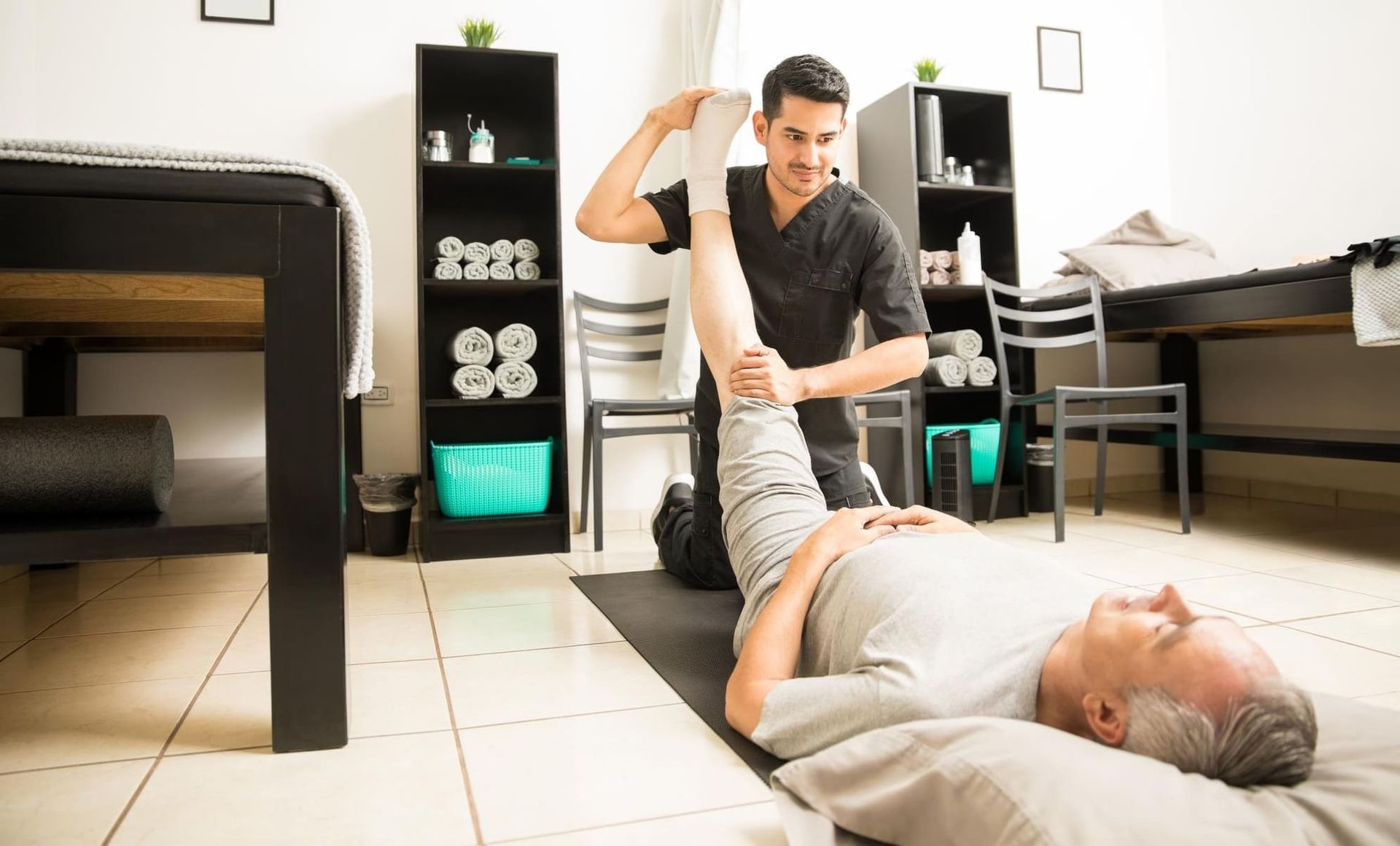
Table of Contents
- 1. What sciatica is, what causes it, and why it radiates down the leg
- 2. How chiropractic care targets the root cause instead of masking symptoms
- 3. Chiropractic techniques used for sciatica treatment without surgery
- 4. What to expect during a sciatica treatment plan at Fisher Chiropractic in Naples
- 5. Chiropractic care vs surgery, medication, and physical therapy
- 6. Who is a good candidate and when surgery may be necessary
- 7. Why choosing an experienced chiropractor in Naples FL matters
- FAQ: 15 common questions about chiropractic sciatica relief
1. What sciatica is, what causes it, and why it causes pain that radiates down the leg
Sciatica is not a diagnosis by itself . It is a symptom pattern that usually includes low back, buttock, and leg pain caused by irritation or compression of the sciatic nerve or the nerve roots that form it. The pain often travels from the low back into the glute and down the back or side of the thigh, sometimes reaching the calf, ankle, or foot.
What sciatica feels like
Many people describe sciatica as sharp, electric, burning, or shooting pain. Others notice tingling, numbness, heaviness, or weakness in one leg. Symptoms can be worse with sitting, bending, coughing, lifting, or driving across Naples and Collier County. For some adults, standing or walking provides relief. For others, even short walks trigger pain.
Common causes of sciatic nerve pain
The most common underlying causes include:
- Disc bulge or herniation that irritates a nerve root in the lumbar spine.
- Spinal stenosis , where narrowing of the spinal canal or foramina reduces space for nerves.
- Facet or SI joint dysfunction that changes mechanics and increases local inflammation around nerve pathways.
- Piriformis and deep hip muscle tension that can irritate the nerve as it travels through the pelvis.
- Degenerative changes that alter spinal alignment and movement over time.
Why the pain travels down the leg
The sciatic nerve is the largest nerve in the body. It forms from several nerve roots in the lower back and travels through the pelvis and down the leg. When a nerve root is irritated, your brain may interpret the signal along the pathway of that nerve. That is why you can feel pain far from the low back. This referral pattern is also why sciatica can be confusing and why an exam that identifies the true pain generator matters.
2. How chiropractic care addresses the root cause of sciatica rather than just masking symptoms
Chiropractic care for sciatic nerve pain focuses on improving mechanics, reducing nerve irritation, and supporting healing . Medication can be useful for short-term symptom control, but it typically does not correct what is compressing or aggravating the nerve. Surgery can be appropriate for certain cases, but it is not the first best step for most mild to moderate sciatica when red flags are absent.
What chiropractic care can influence in sciatica cases
- Joint motion and alignment in the lumbar spine, pelvis, and hips that may be contributing to nerve irritation.
- Pressure and inflammation around nerve pathways by improving movement and reducing mechanical stress.
- Muscle guarding that often develops around the low back and glute when pain has been present for weeks or months.
- Movement habits that keep re-triggering symptoms, such as prolonged sitting, poor lifting mechanics, or limited hip mobility.
Direct answer for search intent
Can a chiropractor help sciatica? In many cases, yes. A chiropractor for sciatica in Naples FL can reduce sciatic nerve irritation by addressing spinal and pelvic dysfunction, improving nerve space and movement, and guiding an individualized rehab plan. Results depend on the underlying cause, the severity of compression, and how long the condition has been present.
3. The specific chiropractic techniques used to treat sciatica pain without surgery
There is no single technique that fits every person. Effective chiropractic sciatica relief in Collier County usually combines several methods that target both the source of irritation and the supporting systems around it.
Spinal and pelvic adjustments (manipulation or mobilization)
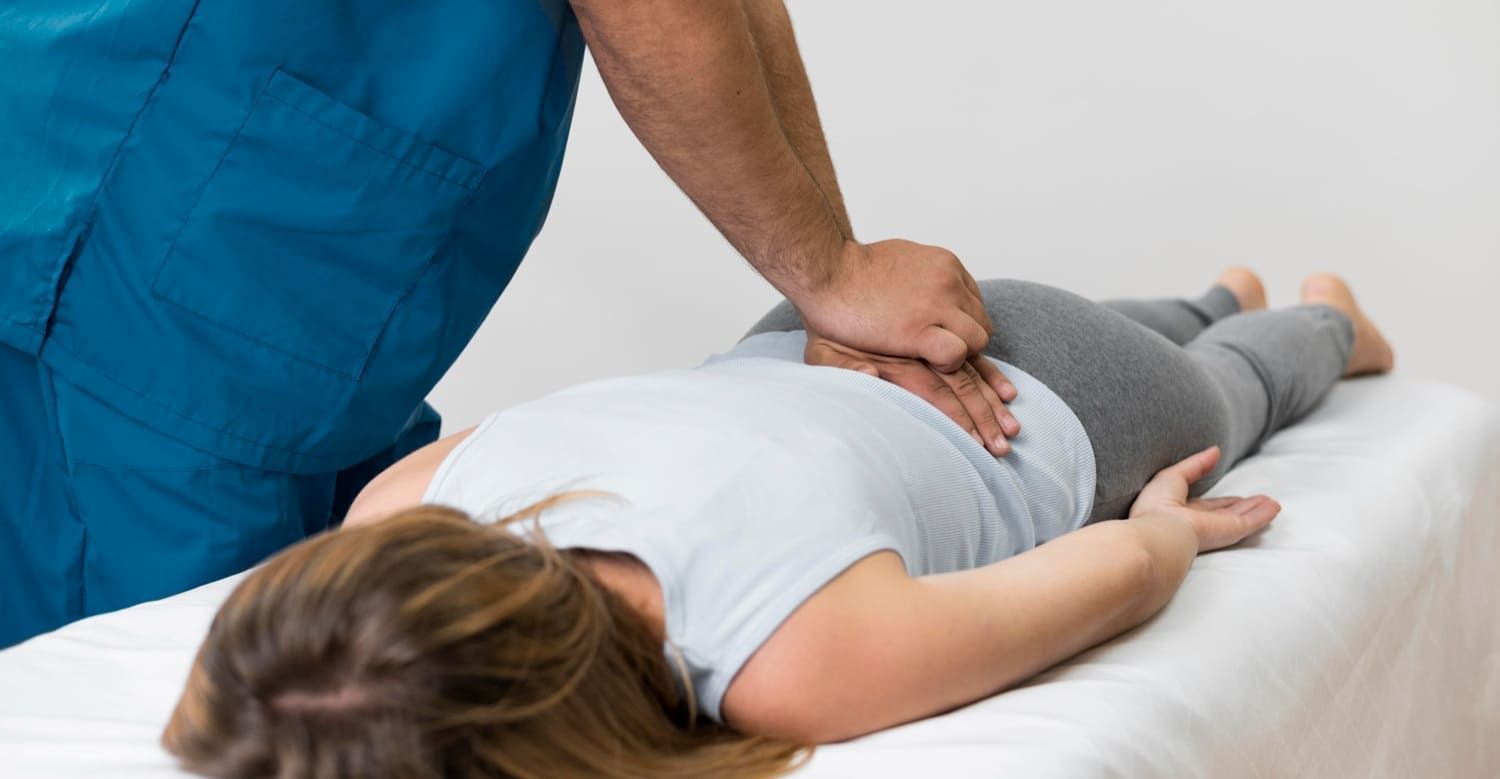
Adjustments aim to restore normal joint motion and reduce mechanical stress. Depending on your case, a chiropractor may use a hands-on adjustment, a gentler mobilization approach, or instrument-assisted methods. The goal is improved movement, less irritation, and better load distribution through the low back and pelvis.
Spinal decompression therapy
Decompression is designed to reduce pressure on spinal structures by applying controlled traction. For certain disc-related cases, this can be used as part of a non-surgical sciatica treatment Naples FL plan to support symptom reduction and functional improvement.
Soft tissue therapy for glute, hip flexor, and low back tension
When sciatica is present, muscles in the hip and low back often tighten to protect the area. Targeted soft tissue work can reduce trigger points and improve hip and pelvic motion, which can lower irritation along nerve pathways.
Rehabilitative exercises and movement retraining
Long-term relief typically requires more than passive treatment. A focused exercise plan can improve core stability, hip mobility, and posture habits so the nerve is less likely to be re-aggravated. This is especially important for adults who sit for work, drive frequently, or have recurring flare-ups.
Chiropractic technique comparison (structured)
How common techniques compare for sciatica patients :
- Spinal manipulation or mobilization : Best for joint restriction and mechanical irritation. Helps restore motion and reduce local stress that can irritate nerve roots.
- Spinal decompression : Often used when disc involvement is suspected. Helps reduce pressure and may improve comfort with sitting, bending, or transitions.
- Soft tissue therapy : Targets muscle guarding and trigger points in the glute, piriformis region, hip flexors, and low back. Helps reduce protective tension that can amplify symptoms.
- Rehab exercises : Addresses stability, mobility, and movement patterns. Helps prevent recurrence and supports long-term functional recovery.
4. What to expect during a sciatica chiropractic treatment plan at Fisher Chiropractic in Naples
Adults searching for a sciatica chiropractor in Bonita Springs or Naples often want to know what the process looks like. A patient-centered plan should feel organized, explained, and tailored to your symptoms and goals.
Step 1: Focused history and symptom mapping
You should expect questions about when the pain started, where it travels, what aggravates it, and what relieves it. Important details include any numbness, weakness, balance issues, and how sciatica affects sleep and daily activities. Clear mapping of the pain pattern helps narrow the likely nerve root level and contributing factors.
Step 2: Orthopedic and neurological exam
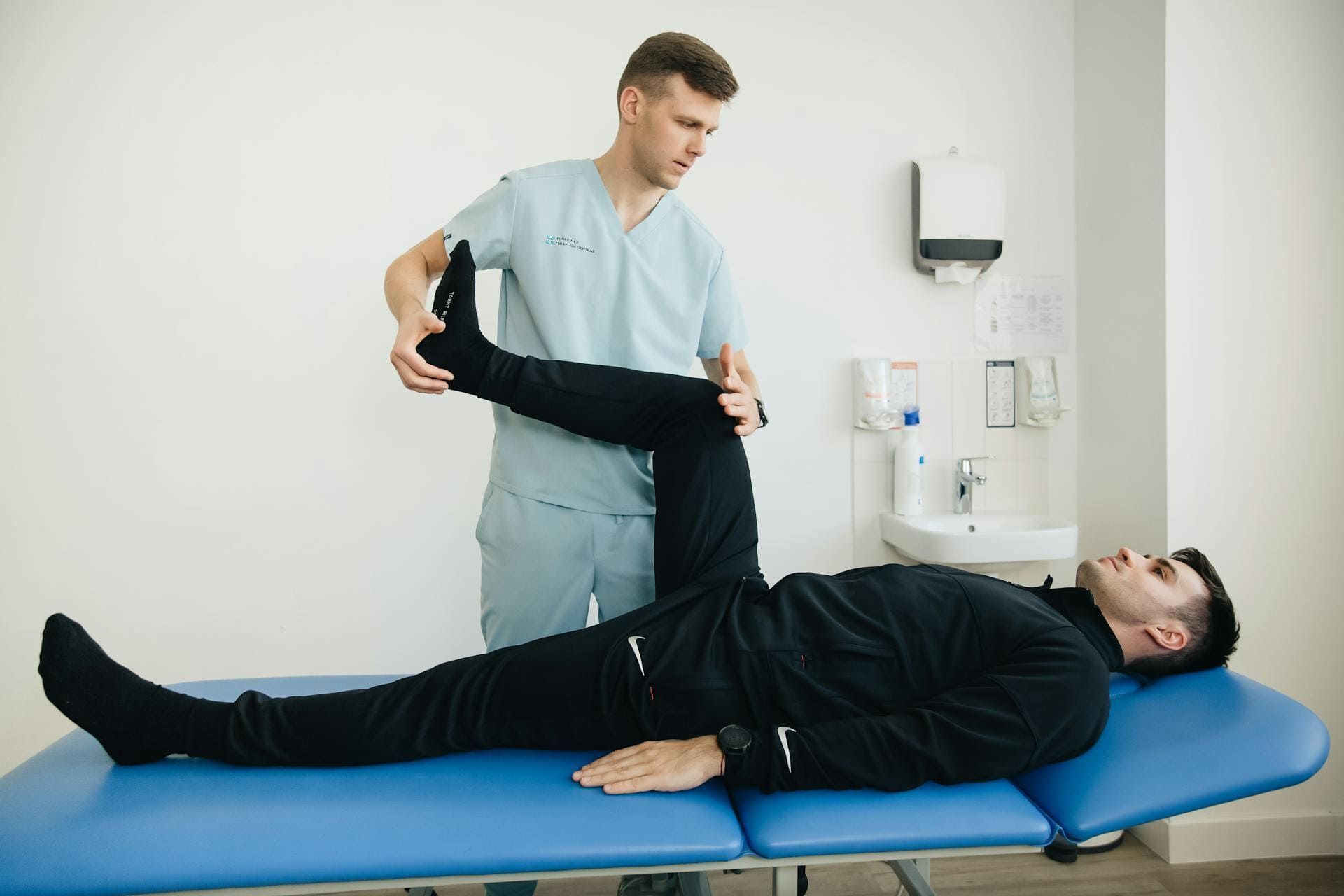
An exam may include range of motion testing, strength and reflex checks, and leg raise or nerve tension tests. The goal is to identify whether symptoms match a nerve irritation pattern and to check for signs that require medical referral.
Step 3: Clear explanation of the working diagnosis
At Fisher Chiropractic, the emphasis is on addressing the underlying cause, not just chasing pain. That means explaining what structures are likely involved, what the plan is designed to change, and how progress will be measured. If imaging or additional evaluation is needed, you should be told why.
Step 4: Personalized care plan for acute or chronic sciatica
Many mild to moderate cases benefit from a short-term phase focused on pain reduction and mobility, followed by a phase that improves stability and prevents relapse. Your plan may include adjustments, decompression when appropriate, soft tissue therapy, and home exercises. Frequency varies based on severity and how long symptoms have been present.
Step 5: Reassessment and plan adjustment
Sciatica should not be treated with guesswork. Reassessment helps confirm that symptoms are responding as expected. If progress stalls, a good plan adapts by changing techniques, addressing overlooked contributors like hip mobility, or coordinating additional evaluation.
5. How chiropractic care for sciatica compares to surgery, medication, and physical therapy
People researching sciatica treatment without surgery Naples often want a simple, side-by-side comparison. Here is a structured summary that can help you evaluate options with your provider.
Comparison table: chiropractic care vs surgery vs pain medication
- How it addresses the root cause
- Chiropractic care : Aims to improve mechanics, reduce nerve irritation, and address contributing joint and soft tissue dysfunction.
- Surgery : Attempts to remove or reduce the structure compressing the nerve in specific cases.
- Pain medication : Primarily reduces pain or inflammation signaling. Does not correct mechanical compression.
- Typical recovery time
- Chiropractic care : Often gradual improvement over days to weeks, depending on cause and chronicity.
- Surgery : Recovery varies from weeks to months depending on procedure and individual factors.
- Pain medication : Symptom relief can be rapid, but benefits may be temporary.
- Risk level and side effects
- Chiropractic care : Generally low risk when appropriate screening is done and techniques are matched to the patient.
- Surgery : Higher risk profile with anesthesia, infection, and procedure-related complications possible.
- Pain medication : Potential side effects vary by medication. Some options carry sedation, GI, or dependency risks.
- Cost and insurance considerations
- Chiropractic care : Often covered in part by insurance plans, with copays or visit limits depending on policy.
- Surgery : Higher cost, typically requires imaging, specialist consults, and pre-authorization.
- Pain medication : Lower short-term cost, but ongoing use can add up and may involve follow-up visits.
- Long-term effectiveness
- Chiropractic care : Can be effective for many mild to moderate cases when paired with rehab and prevention strategies.
- Surgery : Can be effective when clearly indicated, but does not guarantee prevention of future episodes.
- Pain medication : Often not a long-term standalone solution for recurring sciatica.
- Downtime required
- Chiropractic care : Usually minimal downtime. Some soreness can occur, and activity guidance may be given.
- Surgery : Often significant downtime and restrictions during recovery.
- Pain medication : Downtime depends on side effects and whether pain is controlled enough to function.
- Suitability for mild to moderate sciatica cases
- Chiropractic care : Common first-line conservative option when no red flags are present.
- Surgery : Typically not first-line for mild to moderate cases unless severe neurological deficits or specific urgent findings exist.
- Pain medication : Often supportive, but best combined with care that addresses underlying drivers.
Where physical therapy fits
Physical therapy can be highly valuable for strength, mobility, and functional training. Many patients benefit from a combined approach where chiropractic care reduces mechanical irritation and improves movement, while rehab builds resilience. The best plan depends on your exam findings and how your symptoms respond.
6. Who is a good candidate for chiropractic sciatica treatment and when surgery may be necessary
Most adults with mild to moderate sciatica are reasonable candidates for conservative care when symptoms are stable and no urgent neurological signs are present. The right screening matters, because sciatica has different causes and not every case should be treated the same way.
Good candidate signs
- Pain that changes with posture or movement and improves with certain positions.
- Symptoms that are bothersome but not rapidly worsening.
- No progressive weakness, no loss of bowel or bladder control, and no major red flags.
- Desire to avoid medication dependence and explore non-surgical sciatica treatment Naples FL options first.
When surgery or urgent medical evaluation may be needed
Some situations require prompt medical evaluation. Seek urgent care if you have severe or progressive weakness, major numbness in the saddle area, or changes in bowel or bladder function. Surgery may be considered when there is confirmed significant nerve compression with progressive neurological deficit, or when prolonged conservative care has not improved function and quality of life.
Key takeaway for decision-making
The safest path is guided, stepwise care . Many patients in Naples and North Naples who ask, “Can a chiropractor help sciatica?” are relieved to learn that conservative treatment can be very effective. The goal is to match the right level of care to the cause and severity of your condition, and to escalate only when necessary.
7. Why choosing an experienced chiropractor in Naples FL matters for sciatica recovery outcomes
Sciatica can look similar from one person to the next, but the best care is highly individualized. Choosing an experienced chiropractor for sciatica Naples FL matters because the provider must identify likely pain generators, screen for red flags, and select techniques that fit your specific presentation.
What experience changes in real-world outcomes
- Better clinical reasoning : Distinguishing disc-related patterns from SI joint dysfunction, hip contributors, or muscular entrapment patterns.
- Safer technique selection : Using the right force level and approach for your age, condition, and comfort.
- Clearer expectations : Honest timelines, measurable milestones, and guidance on when additional evaluation is warranted.
- Prevention mindset : Not stopping at pain relief, but addressing the habits and weaknesses that drive recurrence.
Local relevance for Collier County patients
In Collier County, many adults balance desk work, golf, boating, long drives, and active lifestyles. Those patterns can stress the low back and hips in predictable ways. Working with a provider who understands those lifestyle demands helps translate treatment into practical, sustainable change.
FAQ: Chiropractic care for sciatica in Naples, North Naples, and Bonita Springs
Can a chiropractor really help with sciatica pain?
Yes, many people experience meaningful relief when care targets the factors driving nerve irritation, such as joint dysfunction, muscle guarding, and movement habits. Results depend on the underlying cause and severity.
How many chiropractic sessions does it take to relieve sciatica?
It varies. Some patients notice improvement within a few visits, while others need a longer plan, especially if symptoms are chronic. The best estimate comes from your exam findings and early response to care.
Is chiropractic care safe for sciatica or can it make it worse?
Chiropractic care is generally low risk when the provider screens for red flags and matches techniques to your condition. If symptoms worsen or new weakness develops, the plan should be reassessed promptly.
What is the difference between sciatica and regular lower back pain?
Sciatica involves nerve-related symptoms that often travel down the leg, such as shooting pain, tingling, numbness, or weakness. Typical low back pain may stay localized without the radiating nerve pattern.
What causes sciatica and why does the pain go down the leg?
Sciatica usually occurs when a nerve root in the lower back is irritated or compressed. Because the sciatic nerve travels into the leg, the brain can interpret pain signals along that path.
Can chiropractic care help sciatica caused by a herniated disc?
Many disc-related cases respond to conservative care. A chiropractor may use gentle techniques, decompression when appropriate, and rehab to reduce irritation and improve function. Severe or progressive neurological deficits require medical evaluation.
Is chiropractic treatment for sciatica covered by insurance in Florida?
Coverage varies by plan. Many policies include chiropractic benefits, often with copays or visit limits. It is best to verify details with your insurance provider.
What should I expect at my first chiropractic appointment for sciatica in Naples FL?
Expect a focused history, orthopedic and neurological tests, and an explanation of likely causes and next steps. A patient-centered plan should include clear goals and safety screening.
Can sciatica go away on its own without chiropractic or surgery?
Some episodes improve over time, especially if irritation is mild. However, persistent or recurrent symptoms often benefit from evaluation to address contributing mechanics and reduce the risk of flare-ups.
How do I know if my sciatica is severe enough to need surgery?
Red flags include progressive weakness, significant loss of function, or bowel or bladder changes. Surgery decisions are typically based on imaging, neurological status, and failure to improve with appropriate conservative care.
What lifestyle changes can help prevent sciatica from coming back?
Common strategies include improving posture and lifting habits, building core and hip strength, taking movement breaks from prolonged sitting, and maintaining regular mobility work tailored to your needs.
Is spinal decompression therapy effective for sciatica relief?
Decompression can be helpful for some patients, especially when disc involvement is suspected. It is usually most effective as part of a broader plan that includes movement correction and strengthening.
Can chiropractic care help sciatica during pregnancy?
Pregnancy can change pelvic mechanics and soft tissue tension. Many chiropractors use pregnancy-appropriate, gentle methods. Always discuss pregnancy status and symptoms so care can be tailored safely.
How is sciatica diagnosed at Fisher Chiropractic in Naples?
Diagnosis typically involves symptom mapping plus orthopedic and neurological testing to determine whether signs match sciatic nerve irritation and to identify likely contributors such as lumbar, pelvic, or hip dysfunction.
Why should I choose Fisher Chiropractic for sciatica treatment in Naples FL?
Fisher Chiropractic takes a whole-body approach and builds individualized plans for acute and chronic pain, including sciatica. The focus is on compassionate care, clear communication, and addressing the underlying cause rather than only chasing symptoms.
Conclusion: Non-surgical sciatica relief is often possible
Chiropractic care is a proven, non-surgical approach that can relieve sciatica for many patients by addressing root causes of nerve irritation rather than simply masking pain. Most mild to moderate cases respond well to a personalized treatment plan that may combine targeted adjustments, decompression when appropriate, soft tissue therapy, and rehabilitative exercises. The key to lasting improvement is working with an experienced chiropractor who takes time to understand your specific condition, measure progress, and adapt the plan when needed.
If you live in Naples, North Naples, Bonita Springs, or anywhere in Collier County and want to explore sciatica treatment without surgery Naples FL, contact Fisher Chiropractic to request an appointment and take the first step toward relief. Call (239) 944-7303 or visit 1001 Crosspointe Dr Suite 1, Naples, FL 34110 .