

What Is the Difference Between PT and Chiropractic Care? A Guide for Naples Patients
When your back locks up, your neck won't turn or a nagging knee keeps you off the pickleball court, two names usually come up: physical therapy and chiropractic care. Both are drug-free, non-surgical ways to treat pain and restore movement. Both deal with muscles, joints and the nervous system. So which one do you actually need?
The answer depends on your condition, your goals and how you like to be treated. In many cases the two professions overlap far more than people realize. This guide explains the real differences between PT and chiropractic care, where they overlap, what each typically treats and how to decide which is right for you. It's written for people in Naples, North Naples, Bonita Springs, Estero and across Southwest Florida.
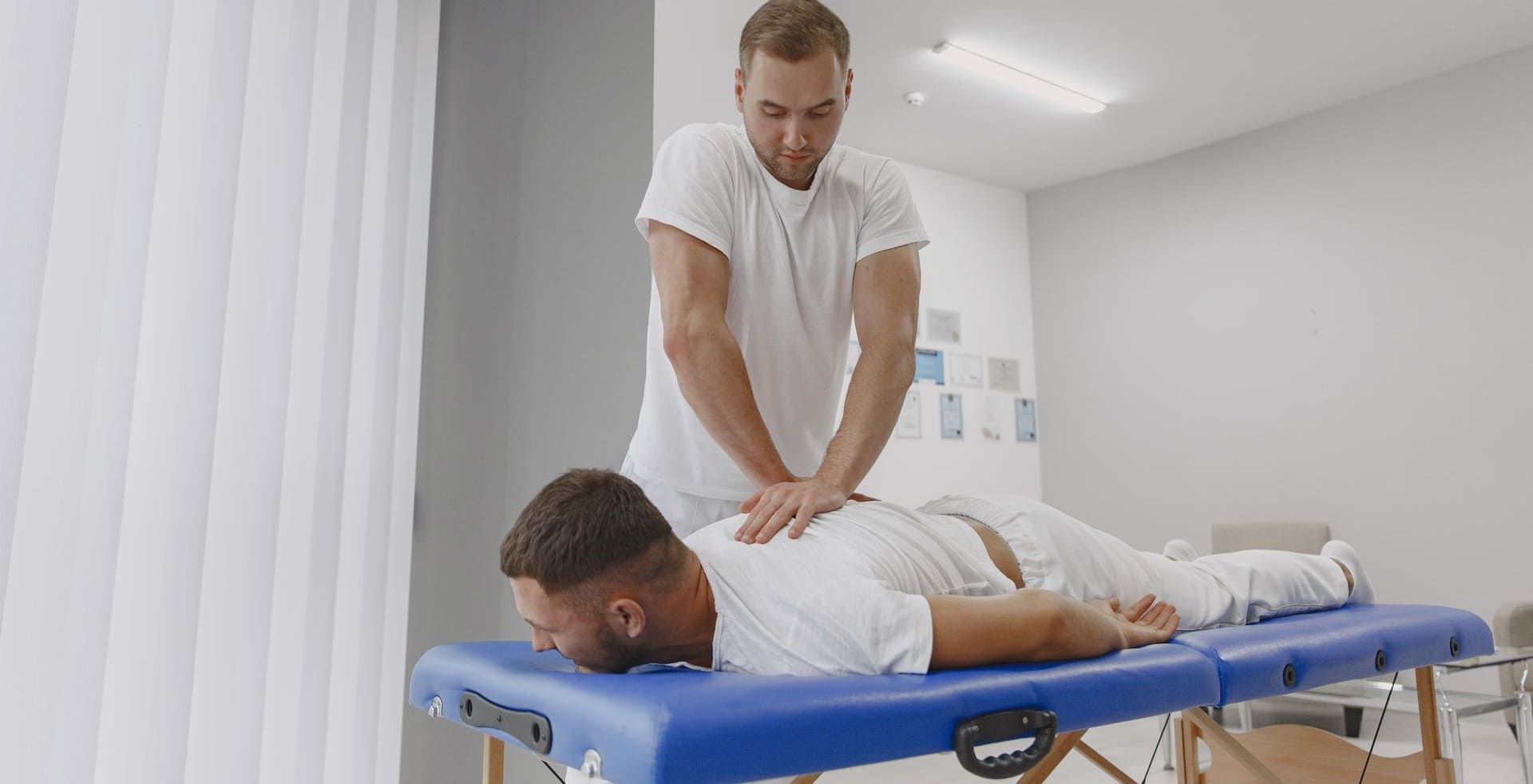
Quick Answer: How Are PT and Chiropractic Care Different?
The main difference is emphasis. Chiropractic care focuses on the spine and joints, using hands-on adjustments (spinal manipulation) to restore joint motion, relieve pain and improve how the body moves. Physical therapy focuses on rebuilding strength, mobility and function, mainly through guided exercise and movement retraining. Both treat musculoskeletal pain. Many modern chiropractors also use soft tissue therapy and rehab exercises, and many physical therapists use manual techniques, so the line between them often blurs.
Chiropractic Care vs. Physical Therapy at a Glance
| Factor | Chiropractic Care | Physical Therapy |
|---|---|---|
| Provider | Doctor of Chiropractic (D.C.) | Physical therapist, typically with a Doctor of Physical Therapy (DPT) |
| Primary focus | Spine and joint function, pain relief, nervous system | Strength, mobility, function and movement retraining |
| Signature treatment | Chiropractic adjustments (manipulation) | Therapeutic exercise and guided rehab |
| Other common tools | Soft tissue therapy, taping, laser, orthotics, home exercises | Manual therapy, stretching, balance training, modalities |
| Common conditions | Back and neck pain, headaches, sciatica, joint pain, sports injuries | Post-surgical rehab, injury recovery, balance and mobility problems |
| Typical visit length | Often shorter, focused visits | Often longer sessions built around exercise |
| Referral needed in Florida? | No; you can book directly | Up to 30 days without a referral; longer care needs a practitioner to review the plan unless a physician has already assessed the condition |
| Long-term goal | Restore joint motion, relieve pain, prevent recurrence | Restore function and independence |
Note: Insurance rules vary by plan. Some plans require referrals or authorizations even when state law doesn't, so check your coverage before your first visit.
What Is Chiropractic Care?
Chiropractic care is a hands-on, non-invasive approach to musculoskeletal health that centers on the spine and its relationship with the nervous system. In Florida, chiropractors are licensed as chiropractic physicians. They can evaluate and treat patients directly, without a referral.
The best-known chiropractic treatment is the adjustment: a controlled, specific movement applied to a joint that isn't moving properly. Adjustments aim to restore motion, reduce pain and improve how the joint and its surrounding muscles work together. Some patients feel immediate relief, while others feel a little sore or tired as their body adapts, much like after a workout.
Today's chiropractic care often goes well beyond adjustments. At Fisher Chiropractic in Naples, for example, care can include:
- Multiple adjusting techniques, including Diversified, Activator, Thompson Drop and Cox flexion-distraction, so treatment can be gentle or targeted as needed
- Extremity adjustments for shoulders, knees, hips, ankles and the jaw (TMJ), not just the spine
- Graston Technique, an instrument-assisted method for treating soft tissue restrictions and scar tissue
- Kinesio taping to support muscles and joints while they heal
- Cold laser therapy, which uses specific wavelengths of light intended to support tissue healing
- Custom orthotics from Foot Levelers for a more balanced foundation from the feet up
- Functional Movement Screen assessments and home exercises to correct movement patterns and reduce the chance of recurrence
What Is Physical Therapy?
Physical therapy is a rehabilitation-focused health profession that helps people restore movement, strength and function after injury, surgery or illness. Physical therapists are movement specialists, and most entering the field today earn a Doctor of Physical Therapy degree.
PT sessions usually center on active treatment. That means guided exercise, stretching, balance and gait training, and teaching you how to move safely. Many physical therapists also use hands-on techniques such as joint mobilization and soft tissue work, along with modalities like heat, ice or electrical stimulation.
Physical therapy is especially valuable for:
- Rehab after joint replacement, ACL reconstruction, rotator cuff repair and other surgeries
- Recovery after stroke, neurological conditions or long hospital stays
- Balance problems and fall prevention, especially for older adults
- Rebuilding strength after significant injury or deconditioning
- Long-term programs for chronic conditions that need gradual progression
Where Chiropractic Care and PT Overlap
The old stereotype says chiropractors only "crack backs" and physical therapists only "do exercises." The reality is more blended.
Many chiropractors, including Dr. Brad Fisher, believe motion is medicine, whether it comes from a manual adjustment or from exercise and rehab. That means a chiropractic visit can include soft tissue work, corrective exercises and movement screening that look a lot like rehab. Many physical therapists, meanwhile, are trained in joint mobilization and manipulation.
Both professions:
- Treat back pain, neck pain, sciatica and sports injuries
- Aim to reduce reliance on pain medication
- Look for the underlying cause of pain instead of only masking symptoms
- Teach home exercises and habits to prevent flare-ups
- Refer patients to medical doctors when a condition needs imaging, medication or surgery
For many people, the right choice depends less on the job title and more on the specific provider's skills, approach and experience with your condition.

Which Conditions Are Best Suited to Each?
Every patient is different, and a proper evaluation should guide your care. As a general guide:
| Condition or Goal | Often a Good Fit for Chiropractic | Often a Good Fit for PT |
|---|---|---|
| Sudden low back or neck pain | Yes | Yes |
| Sciatica and pinched nerves | Yes | Yes |
| Tension or cervicogenic headaches | Yes | Sometimes |
| Joint stiffness or restricted motion | Yes | Yes |
| Plantar fasciitis, shin splints, tennis elbow | Yes, with soft tissue work and orthotics | Yes |
| TMJ and jaw pain | Yes | Sometimes |
| Rehab after joint replacement or major surgery | Supportive role only | Yes, primary care |
| Stroke or neurological rehab | No | Yes |
| Balance and fall prevention | Sometimes | Yes |
| Ongoing maintenance and prevention | Yes | Sometimes |
Some patients benefit most from both. For example, chiropractic adjustments can restore joint motion and relieve pain, while targeted exercise builds the strength and stability that keep the problem from coming back.
How to Decide Between a Chiropractor and a Physical Therapist
If you're unsure where to start, these questions can help you decide:
- What's your main goal? If it's quick relief from back, neck or joint pain and restricted motion, chiropractic care is often a strong first step. If it's rebuilding strength and function after surgery or a major injury, physical therapy is usually the better fit.
- Did you just have surgery? Post-surgical rehab should generally follow your surgeon's plan, which typically includes physical therapy.
- How do you prefer to be treated? Some people want hands-on care, while others prefer an exercise-focused program. Many practices blend both.
- What does your insurance require? Check whether your plan needs a referral or authorization, and how many visits are covered.
- What's the provider's experience? Ask about techniques, how they evaluate patients and how they measure progress.
- Do you have any red-flag symptoms? If so, see a medical doctor first (see below).
When to See a Medical Doctor First
Chiropractic care and physical therapy are both safe, effective options for many musculoskeletal problems, but some symptoms need prompt medical evaluation. Seek immediate medical care if your back or neck pain comes with:
- Loss of bladder or bowel control, or numbness in the groin or inner thighs
- Rapidly worsening weakness in your arms or legs
- Fever, chills or unexplained weight loss
- Pain after a serious fall, car accident or other major trauma
- A history of cancer, osteoporosis or recent infection
- Severe headache unlike any you've had before, or chest pain
A good chiropractor or physical therapist screens for these warning signs and refers you to the right specialist when needed.
Frequently Asked Questions About PT vs. Chiropractic Care
Is a chiropractor or physical therapist better for back pain?
Both can be effective for back pain. Chiropractic care focuses on restoring joint motion and relieving pain through adjustments and soft tissue work, while physical therapy emphasizes exercise and strengthening. Many people do well with chiropractic care that includes rehab exercises, which combines both approaches.
Do I need a referral to see a chiropractor in Florida?
No. Florida patients can schedule directly with a chiropractic physician. Your insurance plan may still have its own requirements, so check your coverage.
Do I need a referral for physical therapy in Florida?
Florida allows you to see a physical therapist for up to 30 days without a referral. If care is needed beyond that and a physician hasn't already assessed the condition, a licensed practitioner must review and sign the plan of care.
Can I see a chiropractor and a physical therapist at the same time?
Yes. Many patients use both, with chiropractic care for joint motion and pain relief and physical therapy for strength and function. Let each provider know about the other so your care is coordinated.
Does chiropractic care include exercises?
It often does. Many chiropractors teach corrective exercises and stretches to support adjustments and prevent recurrence. At Fisher Chiropractic, patients learn specific exercises and principles to help keep problems from returning.
How many visits will I need?
It depends on your condition, how long you've had it and how your body responds. Acute problems may improve in a few visits, while long-standing issues usually take longer. Your provider should explain your plan and how progress will be measured.
Find the Right Care for Your Pain in Naples
Physical therapy and chiropractic care share the same goal: helping you move better and live with less pain, without surgery or reliance on medication. Physical therapy excels at rebuilding strength and function, especially after surgery. Chiropractic care excels at restoring joint motion and relieving pain, and a modern, rehab-minded chiropractor can bring the best of both approaches into one treatment plan.
Dr. Brad Fisher, D.C., has cared for patients in Naples since 2007. He combines precise chiropractic adjustments with Graston Technique, Kinesio taping, cold laser therapy, custom orthotics, functional movement screening and targeted exercises. Whether you're a working professional, an athlete, a grandparent or a student, Fisher Chiropractic takes the time to listen, explain your options and build a plan tailored to you.
Ready to find out whether chiropractic care is right for your pain? Call Fisher Chiropractic at (239) 944-7303 or request an appointment online. The office is at 1001 Crosspointe Dr, Suite 1, Naples, FL 34110, and serves patients from Naples, North Naples, Bonita Springs, Vineyards, Golden Gate, Estero and the surrounding Southwest Florida communities.
This article is for general educational purposes and is not a substitute for a personal medical evaluation.